Link to This senseless war, which left behind nothing but destruction and instability, should serve as a wake-up call to all. The region must reprioritize and elevate the voices of reason and wisdom. A future war will not be a stroll in the park for anyone.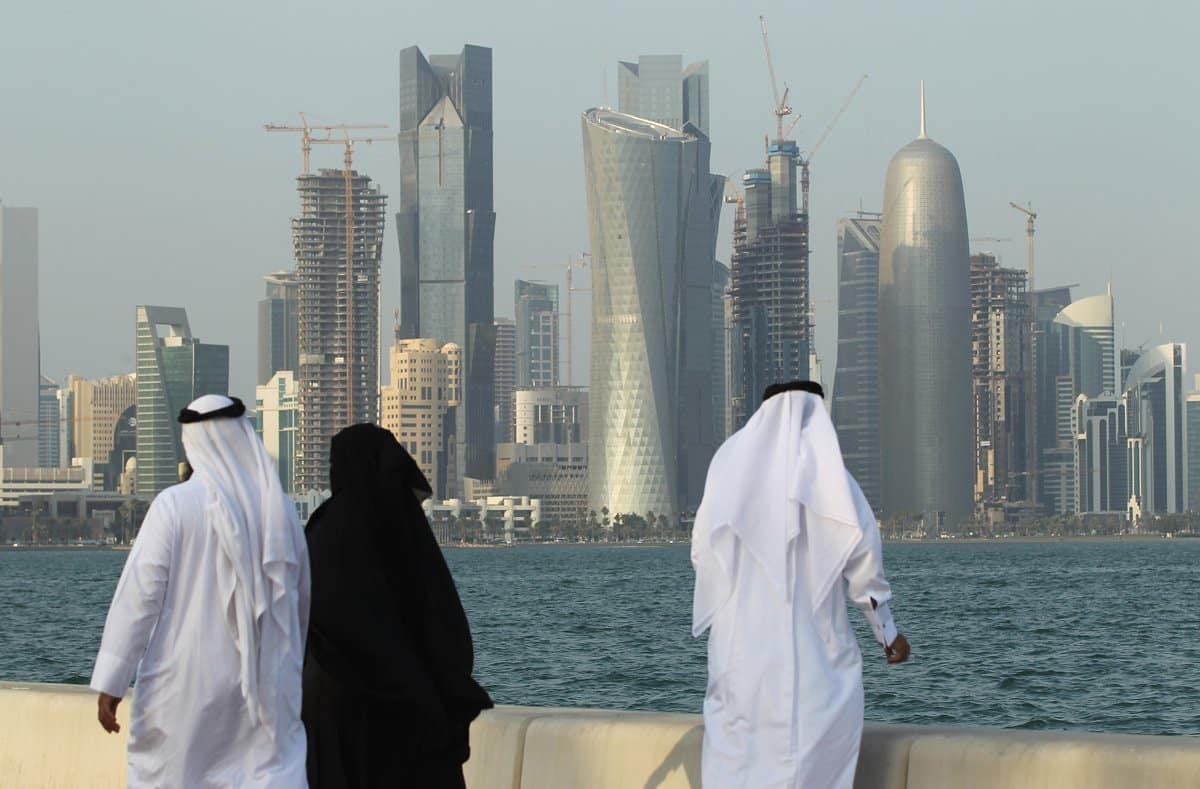 This senseless war, which left behind nothing but destruction and instability, should serve as a wake-up call to all. The region must reprioritize and elevate the voices of reason and wisdom. A future war will not be a stroll in the park for anyone.
By Dr. Nidal Shoukeir
Professor of Strategic Communications and Governmental Relations
The past twelve days have seen the region—and the world—live through utterly chaotic and perilous hours. The intense confrontation between Israel and the Islamic Republic of Iran became a real nightmare for the entire Middle East.
A Thunderous Clash on the Brink of Explosion
In truth, the level of tension in the Gulf and the broader Middle East reached a dangerously unprecedented high during the final 48 hours of this conflict. The escalation began with U.S. forces targeting Iranian nuclear facilities, prompting Iran to retaliate by striking the Al Udeid Air Base in Qatar.
This dual escalation, and its political, media, and security ripple effects, dramatically intensified the regional atmosphere. The specter of all-out war loomed large, threatening to reshape not only the security and stability dynamics of the region but potentially the entire structure of the international order.
While this escalation may have been foreseeable in light of recent developments, its scope and impact stunned both the region and the international community. The U.S. strike on Iran’s nuclear facilities—ordered by President Donald Trump—marked a significant turning point. Yet, it was its critical timing and surprise nature that caused shockwaves across global capitals.
But the greater surprise, according to many observers, was Iran’s unexpected choice of response. Rather than targeting U.S. bases in Iraq or Syria, as many had anticipated, Tehran launched missiles at Al Udeid Air Base in Qatar—a Gulf country with balanced political and economic relations with Iran. Qatar had also maintained moderate positions on regional matters and, to a large extent, expressed solidarity with Iran in its open confrontation with Israel through political, diplomatic, and media channels.
The Gulf: A Voice of Reason and Responsibility
In recent hours, a cautious calm has returned to the region following President Trump’s announcement of a ceasefire “accepted by both sides.” With this declaration, missile attacks ceased, airspace gradually reopened, and the region began to cautiously transition from a war climate to a state of relative peace.
As this round of conflict comes to a temporary halt, it is important to highlight the exceptional role played by the Gulf states in managing the crisis. These nations acted with wisdom, prioritizing de-escalation over confrontation. Once again, Gulf leaders have proven themselves to be guardians of security and stability—not just for their own countries, but for the wider world. Through measured restraint, intense international diplomacy, and behind-the-scenes efforts, they helped prevent an all-out war.
Today, as this mad episode draws to a close, we must tip our hats to the Gulf states and their courageous leaders. From the outset of the crisis, they took a clear and historic stance, saying loudly and decisively: “No to war… Yes to peace.” They voiced this with sincerity, strength, and a deep sense of responsibility—at a time when the region was teetering on the brink of a destructive war that could have crushed the hopes and dreams of its people, whose primary aspirations revolve around peace and stability.
A Moment of Truth… and Collective Responsibility
In this context, it is imperative that we now focus all efforts on conducting a logical and transparent assessment of what the region endured during this conflict. All parties must work together, with open minds and united hands, to take tangible steps that prevent the recurrence of such a scenario. This is not a moment for hollow slogans or empty rhetoric; it is a time for honest reflection and recalibration—guided solely by the interests and aspirations of the region’s people.
This process of reflection must begin with Israel, the party that initiated the escalation. Its leadership must realize that peace cannot be imposed through force or war. Peace is built through genuine and honest outreach to neighboring states, far from the logic of violence and destruction. Israel must also learn to say—as the Gulf leaders have said: “No to war… Yes to peace.”
Iran, the other actor in this confrontation, must also understand that regional security is sacred. Nuclear programs, ballistic missiles, and proxy militias do not bring stability, nor do they earn international respect. Iran’s real path to prosperity lies in development and regional cooperation—goals achievable only through peace and good neighborliness. Iran, too, must now say: “No to war… Yes to peace.”
And as for the world powers—foremost among them the United States—they must grasp that Gulf stability is a red line. This region is not just a cornerstone of global security, but also a key to a brighter future, thanks to the forward-thinking models of development adopted by several of its nations. The Trump administration, as a major global power and strategic ally of the Gulf, must assume its responsibilities by supporting these positive models and reinforcing security. It must also raise its voice to say: “No to war… Yes to peace.”
This senseless war, which left behind nothing but destruction and instability, should serve as a wake-up call to all. The region must reprioritize and elevate the voices of reason and wisdom. A future war will not be a stroll in the park for anyone. It will be a fire that consumes what remains of fragile stability—and the people will pay a heavy price in security, economy, and opportunity.
Today—more than ever—every actor in this region must raise their voice and echo the message already declared by the Gulf leaders: “No to war… Yes to peace”.
(Associated Medias) – Tutti i diritti sono riservati
L'articolo Nidal Shoukeir: “Gulf States: The Guardians of Stability in a Tumultuous Middle East” proviene da Associated Medias.
(Associated Medias) - All rights reserved