by James Crowe
In an era marked by energy transition and geopolitical tensions, Poland is emerging as a pivotal hub for private investments in Eastern Europe’s energy sector. Between modernization of plants, the presence of operators such as KTI Poland, and the technological offer of Nextchem (MAIRE), the country is preparing for a low-emission future, while maintaining a progressive and pragmatic approach
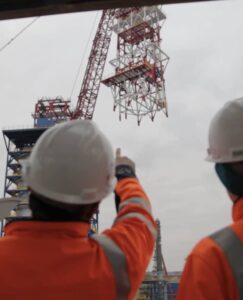 In a European context increasingly tense regarding energy security, Poland is emerging as a strategic hub for the reconfiguration of Eastern Europe’s energy system. The geopolitical crises of recent years have accelerated the need for many EU countries to reconsider their energy supply sources, progressively reducing their dependence on Russian fossil fuels. In this scenario, Poland has acted with pragmatism, becoming the focal point of a renewed wave of industrial investments in the energy sector.
This is not only a political or economic repositioning, but a true infrastructural transformation. Major international groups have begun channeling resources and technologies into the country, aiming to modernize existing facilities and lay the groundwork for a transition toward low-carbon solutions.
KTI Poland and MAIRE: Technology at the Core of Transformation
One of the most active players in this process is KTI Poland, a Polish company belonging to MAIRE, a Group operating in 50 countries with over 10,000 employees and consolidated revenues of €5.9 billion in 2024. MAIRE provides integrated engineering and construction solutions for the transformation of natural resources through its Integrated E&C Solutions business unit, and sustainable technology solutions through its Sustainable Technology Solutions division led by Nextchem.
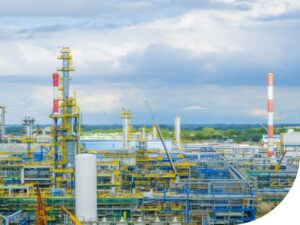 With around 160 employees, KTI Poland operates from its headquarters in Płock — the beating heart of Poland’s energy sector — with additional offices in Warsaw. The company specializes in the design and construction of plants for the energy and chemical industries and boasts a solid track record with strategic partners such as Orlen, the country’s leading energy operator.
KTI Poland has built its credibility through complex projects and modernization works, contributing to improvements in the operational and environmental efficiency of existing facilities. Its approach is pragmatic: to start from what already exists, making it more modern, sustainable, and aligned with current market demands. The proposed solutions are not only technically sound but also commercially viable, thanks to their economic sustainability, such as innovative energy efficiency systems capable of reducing fuel consumption with a rapid return on investment.
Nextchem: Innovation Driving the Energy Transition
There is more to it. In a historical moment when the term “energy transition” risks becoming an empty slogan, technology makes the difference — and this is where Nextchem, MAIRE’s technology division, comes into play.
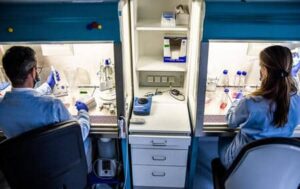
Founded in 2018, Nextchem has assumed an increasingly central role in the Group’s industrial strategy, developing proprietary technologies for alternative fuels, hydrogen, SAF (Sustainable Aviation Fuels), and CO₂ capture and utilization systems.
According to projections, the energy mix of the future will be as diversified as possible. By 2050, gas is expected to remain the predominant source, while the use of oil will be significantly reduced and coal will play only a marginal role, complemented by a growing share of renewable energy. Gas could be used in combination with CO₂ capture, making it more sustainable, and supplemented by other renewable sources, including those derived from agricultural and animal waste, following a circular approach to recover energy from refuse.

Poland’s Challenge and Opportunity
At this crossroads, Poland faces both a challenge and an opportunity. Historically linked to a traditional energy supply
chain, the country has not yet reached the level of green penetration of other European markets — yet it is moving decisively. The presence of operators such as KTI Poland and the technological support of Nextchem form the ideal combination to initiate a credible transition path, based on a gradual but robust approach.
Each year, approximately 400 million tons of polymers are produced worldwide, but only 9% are recycled — a figure that underscores the urgent need for new energy vectors. This highlights the necessity to accelerate decarbonization and energy recovery, objectives that Nextchem pursues through a portfolio of proprietary technologies adaptable to different geographic and industrial contexts.
Conclusion: Building a Low-Carbon Future for Eastern Europe
In conclusion, Poland has all the assets needed to assume a leading role in building a technologically advanced, industrially competitive, and energy-independent Europe. The path will not be immediate: it will begin with efficiency improvements and emission reductions, followed by the integration of green energy sources.
But the tools are available, investments are growing, and the industrial system is already undergoing transformation — making Poland the true heart of the new energy independence of Eastern Europe.
(Associated Medias) – all rights reserved
L’articolo Poland: The Heart of the New Energy Independence of Eastern Europe proviene da Associated Medias.