by Janice McAllister
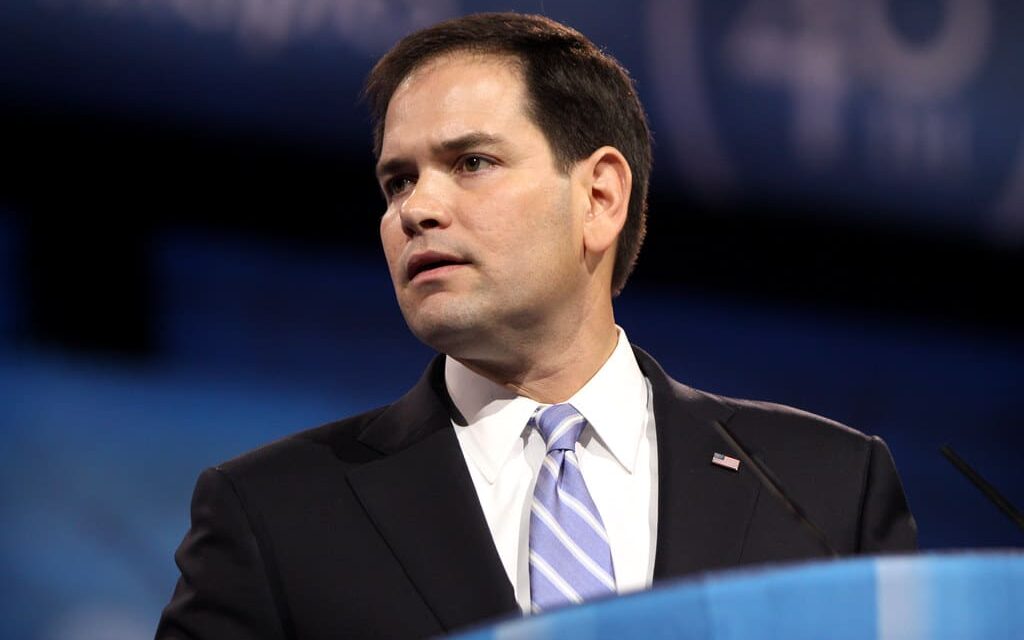
US Secretary of State Marco Rubio meets G7 counterparts in France amid mounting pressure to de-escalate tensions with Iran, as energy concerns and global security risks intensify
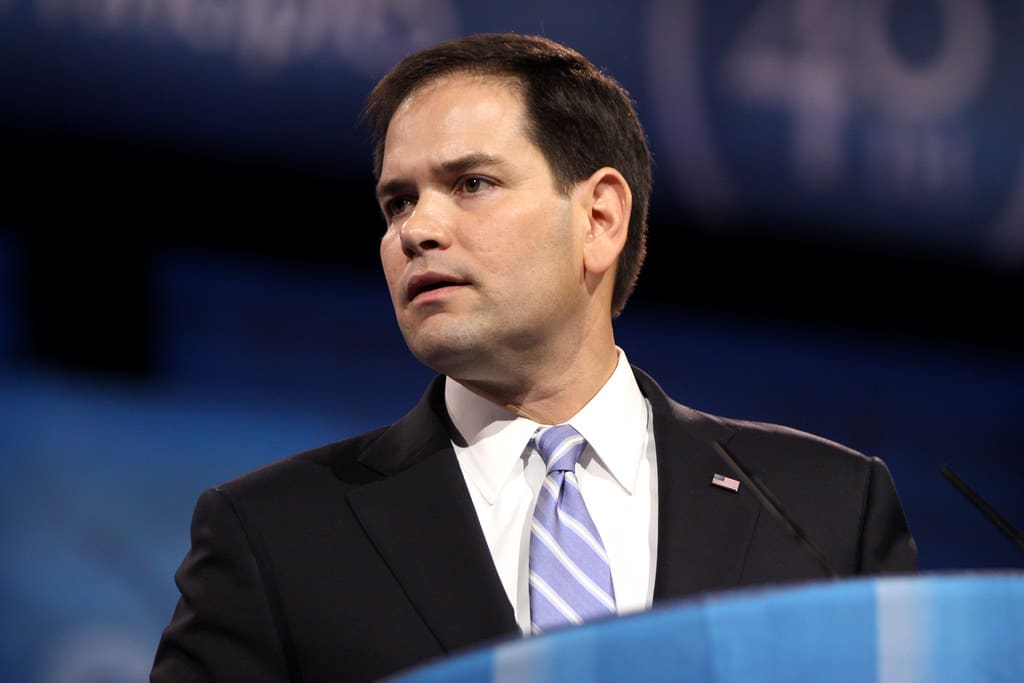 US Secretary of State Marco Rubio has joined foreign ministers from the G7 nations in France for high-level talks dominated by the ongoing conflict involving Iran. The meeting comes at a moment of heightened international concern, with fears growing over the war’s impact on global energy markets and regional stability.
Rubio’s participation is expected to draw calls from allied nations to reduce tensions and avoid further escalation. While the United States remains closely aligned with Israel, other G7 members — the United Kingdom, Canada, France, Germany, Italy and Japan — have expressed caution about becoming directly involved in the conflict.
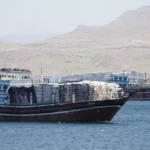
A central issue under discussion is the Strait of Hormuz, a strategic maritime corridor through which roughly one-fifth of the world’s oil and liquefied natural gas flows. Iran’s effective blockade of the passage has sent energy prices sharply higher, raising alarms about the broader economic consequences of a prolonged disruption.
Ahead of the meeting, Rubio stressed that reopening the strait should be a priority for all nations committed to international law. “For all the countries who care about international law, they should be doing something about it,” he said, while making clear he would not seek to placate allies.
European leaders echoed concerns over the urgency of restoring maritime security. UK Foreign Secretary Yvette Cooper called for a swift resolution to the conflict, emphasising that stabilising the region must include reopening the critical waterway.
Despite the mounting crisis, several NATO members — including the UK — have so far refrained from deploying naval forces to escort commercial vessels, arguing that diplomatic efforts to end the conflict remain the most effective path to restoring safe passage.
The talks also highlighted broader geopolitical linkages. German Foreign Minister Johann Wadephul urged the G7 to coordinate closely with Washington in pursuit of a unified strategy to end the war, while discussions extended to Russia’s ongoing invasion of Ukraine.
Rubio reiterated the US commitment to achieving a ceasefire in Ukraine, describing it as a priority for President Donald Trump’s administration. Ukrainian Foreign Minister Andrii Sybiha, who met Rubio on the sidelines, underscored Washington’s critical role in advancing peace efforts and pointed to growing cooperation between Moscow and Tehran.
EU foreign policy chief Kaja Kallas reinforced the view that the conflicts are interconnected, suggesting that pressure on Russia could also influence developments in the Middle East. UK Defence Secretary John Healey went further, alleging that Russia has supported Iran through intelligence-sharing and military training, particularly in drone warfare.
As the G7 deliberations continue, the challenge for Western allies remains balancing diplomatic pressure, economic stability, and the risk of a broader regional conflict.
(Associated Medias) – all rights reserved
L’articolo Rubio Joins G7 Talks as Iran Conflict Dominates Agenda proviene da Associated Medias.