by Jack Diffley
London refuses to join Washington’s naval blockade in the Strait of Hormuz, urging de-escalation while continuing limited defensive operations in the region
 The United Kingdom has ruled out participating in the United States’ planned naval blockade of Iranian ports in the Strait of Hormuz, signalling a clear divergence in strategy as tensions in the Middle East continue to escalate.
According to government sources, British naval forces will not be deployed to enforce the blockade announced by President Donald Trump following the collapse of peace talks with Iran in Islamabad. While UK assets, including minesweepers and anti-drone systems, will remain active in the region, their role will be limited to defensive operations rather than direct involvement in restricting maritime traffic.
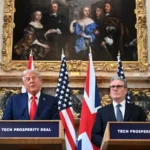
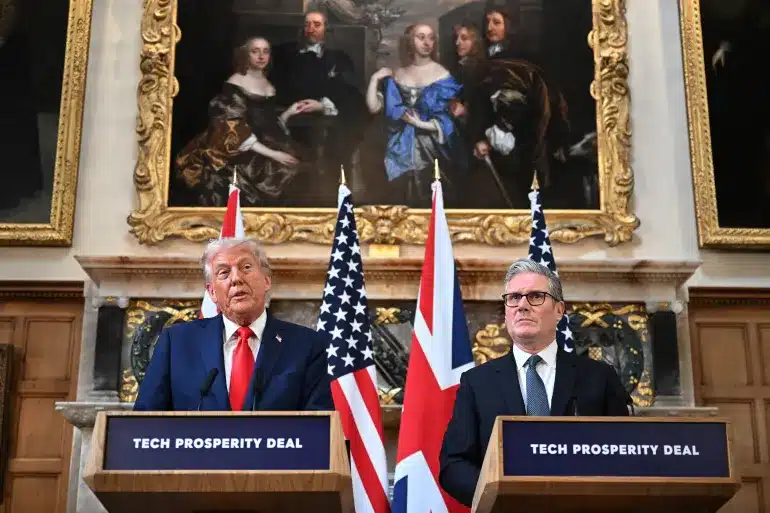
A spokesperson for Prime Minister Sir Keir Starmer reiterated the government’s position, emphasising the importance of keeping the Strait of Hormuz open. “We continue to support freedom of navigation,” the spokesperson said, highlighting the waterway’s critical role in sustaining the global economy and mitigating rising living costs at home.
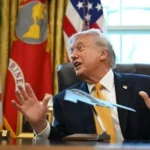
The US decision to impose a blockade marks a significant escalation after negotiations with Tehran failed to produce a lasting agreement. Trump declared that American forces would block all vessels entering or leaving Iranian ports, a move later confirmed by US Central Command, which said operations would be carried out “impartially.” However, it stressed that ships travelling to non-Iranian ports would not be targeted.
Despite Trump’s suggestion that allies, including the UK, might contribute to the effort, London has consistently rejected the prospect of direct military involvement. Starmer has instead called for de-escalation and a coordinated international approach to ensure the security of maritime routes without intensifying the conflict.
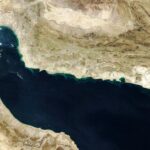
The Strait of Hormuz remains a strategic chokepoint, with roughly 20% of global oil and liquefied natural gas passing through it. Since the onset of hostilities earlier this year, Iran has effectively restricted access to the passage, contributing to a surge in energy prices. Following the US announcement, Brent crude climbed above $100 per barrel, underscoring the global economic implications.
British officials are now working with European partners, particularly France, to build a broader coalition aimed at safeguarding navigation without resorting to aggressive measures. The UK has also voiced concern over reports that Iran is imposing hefty transit fees on vessels, warning that such practices could further destabilise international trade.
While London was not directly involved in the recent US-Iran negotiations, it has remained diplomatically engaged. Starmer has intensified outreach to regional allies, and Chancellor Rachel Reeves is expected to raise the issue at upcoming international meetings in Washington, advocating for the reopening of the vital shipping corridor.
The UK’s stance reflects a careful balancing act: maintaining security commitments in a volatile region while avoiding deeper entanglement in a conflict that risks further disruption to global markets and geopolitical stability.
(Associated Medias) – all rights reserved
L’articolo UK Distances Itself from US Plan to Blockade Iranian Ports proviene da Associated Medias.