by Janice McAllister
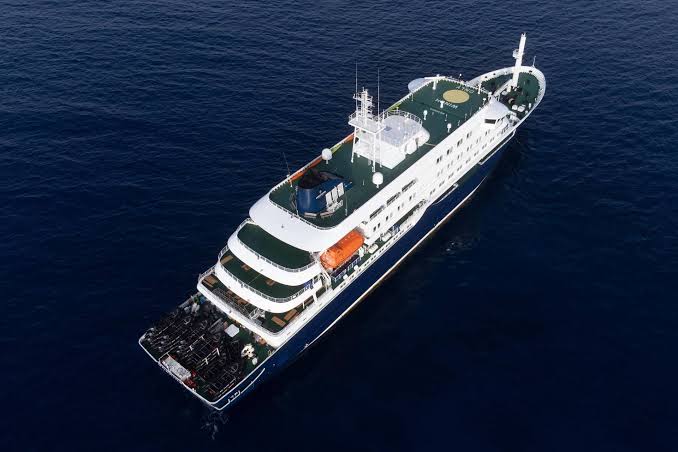
Three passengers aboard the MV Hondius have died after testing positive for the Andes virus, while health authorities race to trace contacts across several countries
 Argentine health authorities are working to establish whether a deadly hantavirus outbreak linked to the Antarctic cruise ship MV Hondius originated in the country, after reports emerged that some passengers had already returned home, including to the United States.
The vessel, flying the Dutch flag, departed from Ushuaia, in southern Argentina, on 1 April for an Antarctic itinerary. The city, often described as “the end of the world”, is now at the centre of an international epidemiological investigation involving several countries.
According to Argentine officials, passengers on board tested positive for the Andes virus, a South American strain of hantavirus that can cause hantavirus pulmonary syndrome, a severe respiratory illness with a high fatality rate. Argentina’s health ministry reported 101 hantavirus infections since June 2025, roughly twice the number recorded in the previous year. In the past 12 months, the disease has been fatal in nearly one third of confirmed cases.
Three passengers from the MV Hondius have died. One person remains in intensive care in South Africa, while three others were evacuated from the ship on Wednesday. Another passenger who had left the vessel earlier in the journey later tested positive in Switzerland.
The World Health Organization said the first death involved a 70-year-old Dutch man who died on board on 11 April. His body was removed from the ship almost two weeks later at Saint Helena. His 69-year-old wife then travelled by plane to South Africa, where she collapsed at Johannesburg airport and died in hospital on 26 April. A German woman became the third confirmed fatality on 2 May.
Investigators in Argentina are trying to reconstruct the movements of infected passengers before they boarded the cruise. The Dutch couple had reportedly visited Ushuaia and travelled through Argentina, Uruguay and Chile before departure. Authorities hope that detailed itineraries will allow them to trace possible contacts, identify exposure points and monitor those at risk.
The task is complicated by the incubation period of the virus, which can range from one to eight weeks. That makes it difficult to determine whether passengers were infected before leaving Argentina, during a stop at a remote South Atlantic island, or after boarding the ship.
Hantavirus is most commonly transmitted through contact with infected rodents, or with their urine, droppings or saliva. Human-to-human transmission is considered rare, although limited spread among close contacts has been documented in previous outbreaks involving the Andes strain.
Concern has also focused on 23 passengers who reportedly disembarked at Saint Helena on 23 April and later returned to their countries of residence. According to US media reports, American passengers are being monitored in Georgia, California and Arizona, although none had shown symptoms.
Argentina said it is sending genetic material from the Andes virus and testing equipment to Spain, Senegal, South Africa, the Netherlands and the United Kingdom to support detection efforts.
Tedros Adhanom Ghebreyesus, director general of the WHO, said the organisation was working with the ship’s operators and national health authorities to monitor passengers and crew, arrange medical follow-up and support evacuations where necessary. He added that, at this stage, the overall public health risk remains low.
After being anchored off Cape Verde, the MV Hondius was cleared to continue toward the Canary Islands, where Spanish authorities authorised it to dock. The decision prompted concern from the president of the Canary Islands, who questioned the arrival of the vessel in Tenerife.
Among those evacuated on Wednesday was Martin Anstee, a 56-year-old British expedition guide. A Dutch ship doctor, aged 41, and a 65-year-old German passenger were also removed from the vessel.
The outbreak has renewed debate in Argentina over the impact of climate change on infectious diseases. Public health experts warn that rising temperatures and changing ecosystems may allow rodent populations that carry hantavirus to expand into new areas.
Hugo Pizzi, an Argentine infectious disease specialist, said climate change was making parts of the country more favourable to diseases once associated with warmer regions. “There is no doubt that, as time passes, hantavirus is spreading more and more,” he said.
(Associated Medias) – all rights reserved
L’articolo Argentina investigates possible source of deadly hantavirus outbreak on Antarctic cruise ship proviene da Associated Medias.