by Carlo Longo
Brussels has imposed sanctions on Canadian-Pakistani businessman Murtaza Lakhani, accusing him of aiding Russia’s state oil company Rosneft in circumventing Western restrictions on crude exports.
The European Union has placed sanctions on prominent oil trader Murtaza Lakhani, alleging he played a key role in facilitating Russian oil exports despite ongoing Western sanctions imposed after Moscow’s full-scale invasion of Ukraine in 2022.
Lakhani, a dual Canadian-Pakistani national, rose to prominence in the 1990s during his time with Glencore, particularly for his operations in Iraq. He later became a central figure in oil exports from Iraqi Kurdistan and founded Mercantile & Maritime Group (M&M) in 2015. The group later joined forces with commodity giant Vitol to invest in Rosneft’s massive Arctic oil venture. However, both companies exited the project in 2022 following sweeping Western sanctions on Russian energy operations.
Despite that withdrawal, the European Union alleges that Lakhani continued to engage with Russian oil flows through other avenues. In a decision published Monday, EU officials accused the 63-year-old of remaining involved in the shipment and export of Russian crude, thereby contributing to what they described as “a substantial source of revenue” for the Russian state.
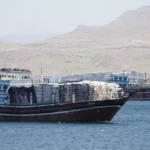
“Through his companies, he enables shipments and export of Russia oil, notably from the Russian state-owned oil company Rosneft,” the EU said, adding that Lakhani controlled vessels used to transport crude and petroleum products from Russia, often employing irregular and high-risk shipping practices.
These accusations follow a Financial Times investigation last month revealing that Lakhani had been linked to three companies incorporated in the United Arab Emirates that were involved in moving Russian oil post-invasion. At the time, Lakhani’s legal representatives insisted he did not own or control the businesses, though they acknowledged he had offered “ad hoc advice and assistance.”
In response to the EU’s decision, Lakhani strongly denied any wrongdoing. “I do not own any vessels, either directly or indirectly, and consider the basis for these measures to be unfounded,” he stated in a written comment to the Financial Times. He also emphasized that his companies had not been named in the sanctions and that operations would continue unaffected.
Nonetheless, Lakhani announced he would step down from all managerial roles in companies he owns and would launch a compliance review “to ensure full compliance with all applicable regulations.”
Despite mounting scrutiny, Lakhani has maintained his presence on the international energy stage. He has continued to travel to Russia and regularly attends the annual St Petersburg International Economic Forum. In a video interview from the June forum, he reiterated that none of his companies currently conduct business with Russia but defended the country’s role in global energy markets.
“This country is the largest resource country in the world. Hampering it is not a long-term goal for anybody,” he said. “They will always need Russia.”
The EU’s sanctions mark the most high-profile action taken against an individual oil trader since the start of the Ukraine conflict, underscoring Brussels’ determination to close remaining loopholes in its sanctions regime and sever Russia’s access to global energy revenues.
(Associated Medias) – all rights reserved
L’articolo EU Targets Oil Trader Murtaza Lakhani Over Alleged Russia Ties proviene da Associated Medias.