by Ali Hassan
Israel hit Hezbollah positions in Beirut after the group launched missiles and drones in retaliation for Khamenei’s killing, while Iran fired a fresh wave of missiles at Israel and the conflict sparked blasts, interceptions and new security alerts across the Gulf
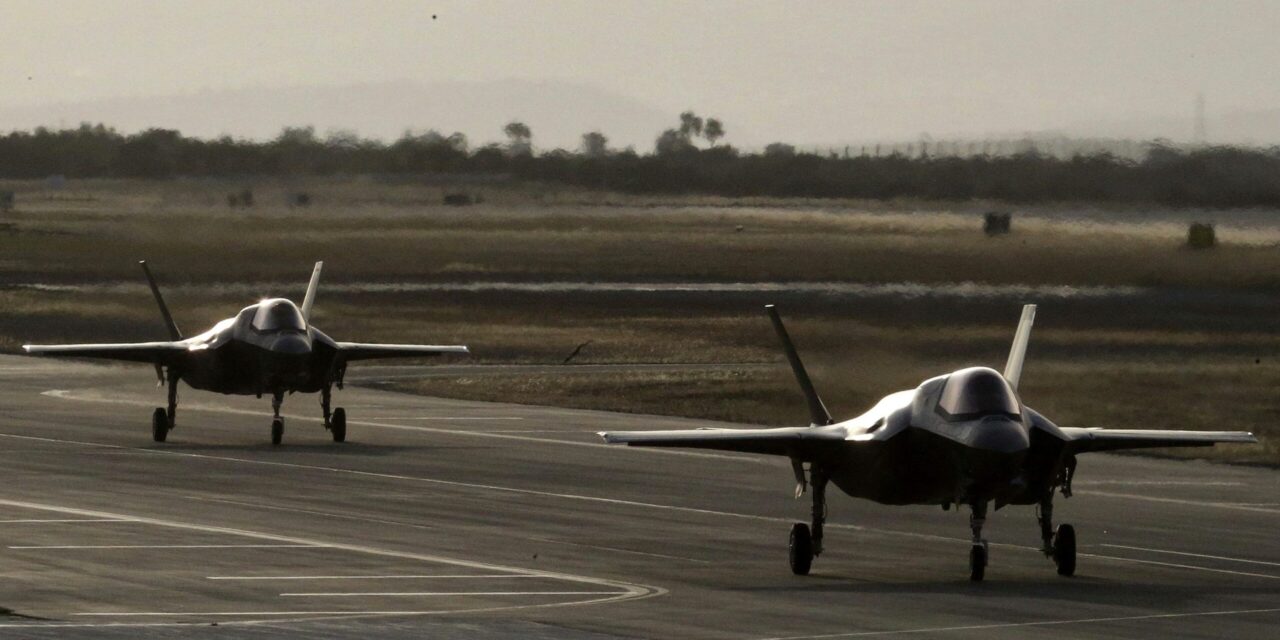
 The war sparked by US and Israeli attacks on Iran widened sharply on Monday as Israel extended its military campaign beyond Iran to target Iran-backed Hezbollah in Lebanon, after Hezbollah launched missiles and drones at Israel in what it said was retaliation for the killing of Iran’s Supreme Leader Ali Khamenei.
Israeli strikes hit Hezbollah-linked sites in Beirut’s southern suburbs, according to Lebanese state media, which reported an initial toll of 31 killed and 149 injured. Israel said it was targeting Hezbollah infrastructure and that it also struck senior militants. The exchange marks a significant escalation, reopening a front that had been relatively contained since a US-brokered ceasefire in 2024.
At the same time, Israel continued to strike inside Iran. Reuters reported explosions in multiple parts of Tehran, and Iranian state media said an attack on Sanandaj in Iran’s western Kurdistan province killed at least three people. Israel’s military leadership signalled that its operations against Hezbollah could be sustained. Chief of Staff Eyal Zamir said combat could last days and would require continuous defensive and offensive readiness.
Iran, meanwhile, announced a new wave of missile launches toward Israel. Shortly after 7:00 a.m. local time, air raid sirens sounded across the country, including Tel Aviv and Jerusalem. Iranian state media said missiles were being launched from central Iran toward “enemy locations,” and the Islamic Revolutionary Guards Corps claimed the barrage targeted Israel’s government complex in Tel Aviv as well as military and security sites in Haifa and areas of East Jerusalem. The Guards said the strikes would expand and that Israeli warning sirens “would never stop.”
The widening war was reflected in parallel incidents around the region. Kuwait said it intercepted hostile drones, and the US embassy there issued a warning advising people to take cover amid threats of missile and drone attacks. Reuters witnesses reported heightened security and emergency services near the embassy, and a Reuters video showed black smoke rising nearby. Loud blasts were also reported by Reuters witnesses in Dubai, Doha and an area near Abu Dhabi.
In Cyprus, a drone strike hit Britain’s RAF Akrotiri base overnight, according to the island’s president and the UK defence ministry. The incident caused limited damage and no casualties, but it was described as the first attack on the base since 1986—another marker of how quickly the conflict is spreading beyond the immediate Israel–Iran theatre.
Washington signalled the campaign would continue. A senior White House official told Reuters that while President Donald Trump may eventually speak with new potential leadership in Iran, “Operation Epic Fury continues unabated.” Trump, in weekend interviews, suggested US action could last at least four weeks.
Inside Iran, the report said President Masoud Pezeshkian announced a temporary leadership council—composed of himself, the head of the judiciary, and a member of the Guardian Council—had assumed the supreme leader’s duties. But Tehran also projected defiance: Ali Larijani, described as an adviser to Khamenei, said in a post on X that Iran would not negotiate with Trump.
The human cost is rising on multiple sides. Reuters reported the first confirmed US fatalities of the campaign: three service personnel killed, with two US officials saying they died at a base in Kuwait. Trump praised them as “true American patriots” while warning more casualties were likely. The report also cited a Reuters/Ipsos poll suggesting only about one in four Americans approved of the operation—raising the political stakes of a prolonged war.
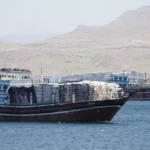
The conflict has already begun to reshape global markets and logistics. Reuters said Iran’s Revolutionary Guards claimed attacks on shipping in the Gulf and near the Strait of Hormuz, while shipping data showed hundreds of vessels dropping anchor as operators weighed the risk of transiting. Major Middle Eastern airports remained disrupted, including Dubai, intensifying worldwide flight cancellations and sending airline shares lower.
Despite the shock of Khamenei’s death and the apparent decapitation of parts of Iran’s leadership, analysts cited by Reuters cautioned against assuming the collapse of Iran’s ruling system. The clerical state and the Revolutionary Guards retain deep institutional power, and the struggle now unfolding may determine whether the region slides into a multi-front conflict—or finds a path, however narrow, back toward containment.
(Associated Medias) – all rights reserved
L’articolo Iran War Spreads to Lebanon as Hezbollah Joins Fight and Israel Expands Strikes proviene da Associated Medias.