by Janice McAllister
In a prime-time White House address, Donald Trump portrayed the month-long conflict with Iran as a military success close to its end, even as markets fell, oil prices climbed and criticism mounted over the lack of a clear plan for de-escalation
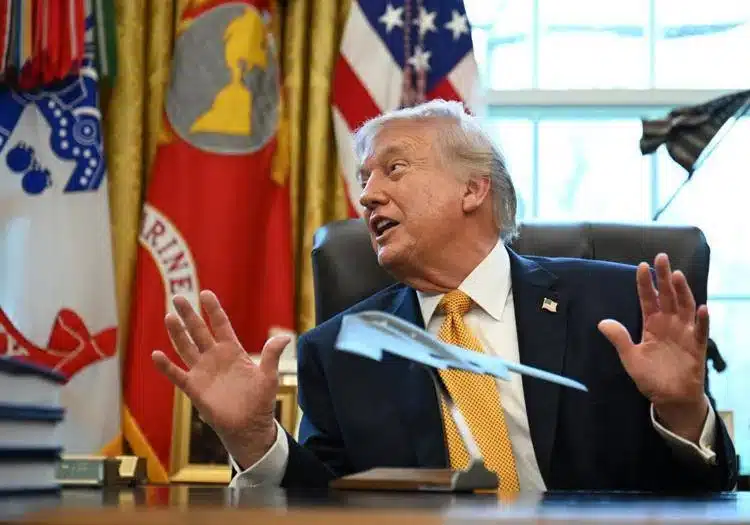
 Donald Trump told Americans on Wednesday night that the war in Iran was approaching its final phase, presenting the campaign as a success while leaving major questions unanswered about how the United States intends to bring the conflict to a close.
Speaking from the White House in a 19-minute prime-time address, the president said the US had nearly achieved all of its military goals and declared that Washington was close to eliminating what he called Iran’s threat to the United States and the wider world. Yet beyond saying the conflict could wind down over the next two to three weeks, he offered little concrete detail on what that process would look like.
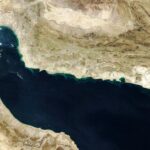
Trump acknowledged the economic strain caused by the war, including rising fuel costs, but described the impact as temporary and blamed Iran for the disruption. His remarks failed to reassure investors already rattled by uncertainty over the Strait of Hormuz, a vital global oil route effectively shut since the conflict began. After the speech, oil prices moved higher while Asian markets traded lower, reflecting continued concern over energy supplies and the wider economic fallout.
The president used the address to argue that Iran’s military capabilities had been severely weakened, claiming its naval and air forces had been effectively broken. At the same time, he warned that US attacks would continue with force in the coming weeks, even as he suggested discussions were still under way. The combination of triumphal language and threats of further escalation added to the ambiguity surrounding Washington’s actual intentions.
That uncertainty quickly drew criticism from Democrats, who said the speech failed to answer basic questions about whether the US was escalating the war or seeking a path out of it. Some Republicans rallied behind Trump, while others on the right voiced frustration that the address focused on war rather than the rising cost of living at home.
The conflict, now in its fifth week, continues to inflict a heavy human toll across the region. According to figures cited in the article, thousands have been killed and many more wounded in Iran, Lebanon and Israel since fighting began on 28 February. American forces have also suffered losses, with 13 service members reported killed and hundreds more injured. US Central Command said American strikes have hit more than 12,300 targets inside Iran since the launch of Operation Epic Fury.
Confusion has also persisted over the administration’s broader objectives. Trump has repeatedly suggested that Iranian leaders want a ceasefire, though Tehran has denied those claims. Questions have also been raised about the president’s shifting rationale for the war, particularly after he appeared to downplay concern over Iran’s stockpile of highly enriched uranium, despite previously citing the nuclear issue as a central justification for military action.
Adding to the sense of instability, Trump has criticised US allies for not doing more to support the war effort or help reopen the Strait of Hormuz. Earlier on Wednesday, he even suggested he was considering withdrawing from Nato, another sign of the widening political and diplomatic consequences of the conflict.
For now, despite the president’s insistence that the war is close to ending, the reality on the ground appears far less settled. Airstrikes and missile attacks are continuing, regional tensions remain high, and thousands of US troops are still positioned in the area. The result is a war that Trump says is almost over, but whose purpose, endpoint and ultimate cost remain deeply uncertain.
(Associated Medias) – all rights reserved
L’articolo Trump Says Iran War Is “Nearing Completion” but Offers Few Clues on Exit Strategy proviene da Associated Medias.