by Jack Diffley
On his first official visit to China, Chancellor Friedrich Merz faces growing pressure from German industry over a widening trade deficit, while also seeking Beijing’s support in efforts to end the war in Ukraine
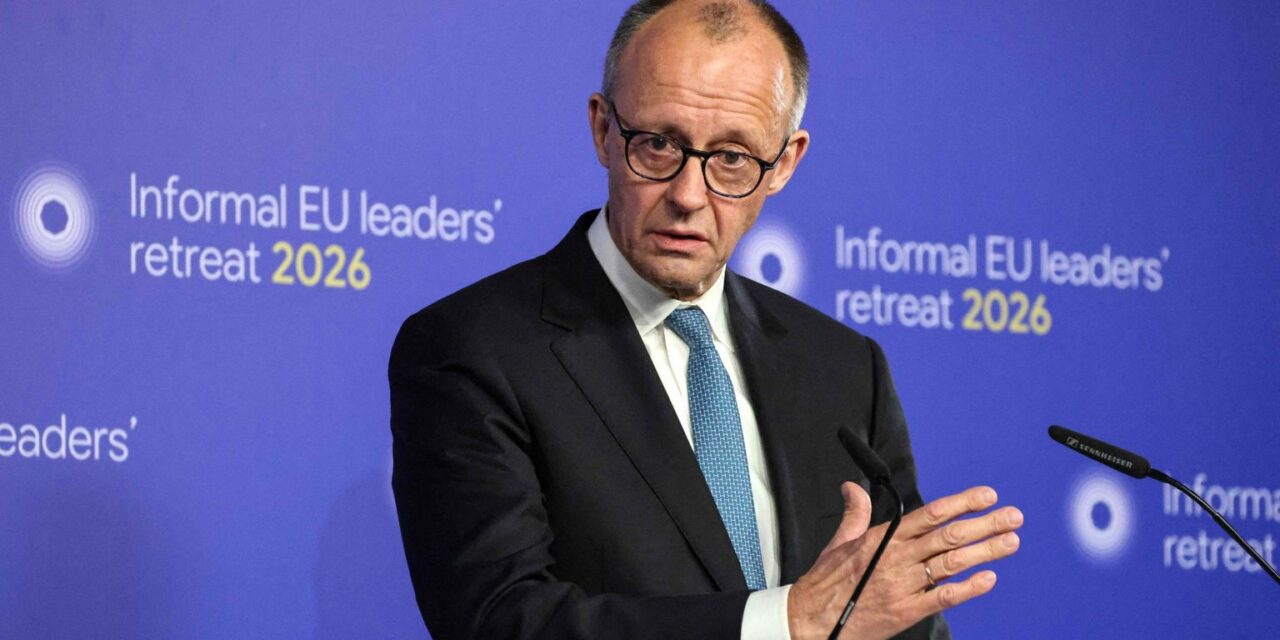
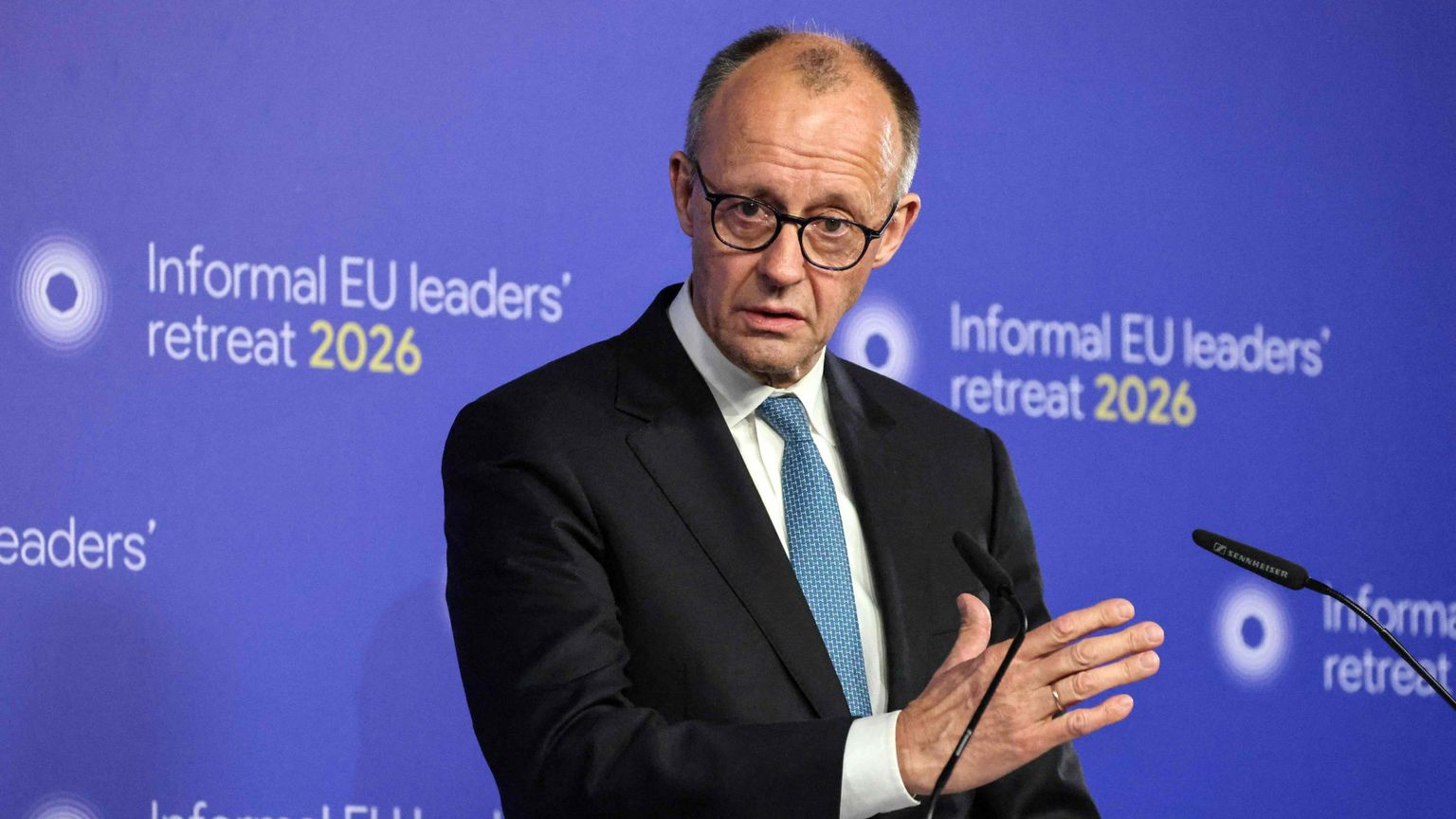 German Chancellor Friedrich Merz has arrived in Beijing for his inaugural visit to China, accompanied by a sizeable business delegation and carrying a clear message: Berlin wants a more balanced economic partnership.
“We want a partnership with China that is balanced, reliable, regulated and fair,” Merz said before departing. His trip comes at a time of mounting concern in Germany over a widening trade gap that has raised alarms across key industrial sectors.
According to federal statistics, Germany imported goods worth €170.6 billion from China in 2025 — an annual increase of 8.8%. By contrast, German exports to China fell by 9.7% to €81.3 billion. China reclaimed its position as Germany’s largest trading partner last year, overtaking the United States, but the imbalance has sparked unease in Europe’s biggest economy.
Industry leaders warn that the growing deficit is putting pressure on core sectors such as automotive manufacturing, machinery and chemicals. The German Economic Institute (IW) argues that heavy Chinese state subsidies and currency practices contribute to structural distortions in competition — claims Beijing has consistently rejected, insisting its policies comply with international trade rules.
The widening deficit, affecting the European Union as a whole, has been described by some analysts as a new “China shock.” Contributing factors include higher production costs in Europe following the pandemic and Russia’s full-scale invasion of Ukraine, alongside what economists describe as overcapacity in Chinese manufacturing during a prolonged period of domestic deflation.
For Germany, the challenge is particularly acute. Its car industry — long the backbone of its export strength — is undergoing a painful transition to electric vehicles, a segment in which Chinese manufacturers hold a dominant position. Business groups have urged Merz to address competitive distortions and export restrictions on critical raw materials such as rare earths during his talks in Beijing.
At the same time, the chancellor is expected to press Chinese leaders to use their influence over Moscow to help bring an end to the war in Ukraine, adding a geopolitical dimension to discussions already complicated by trade tensions.
Merz, a proponent of free trade and transatlantic ties, faces a delicate balancing act. The European Union has launched anti-dumping investigations and is debating measures to strengthen domestic production and reduce strategic dependencies. Yet few in Europe favor escalating trade tensions with both China and the United States simultaneously, especially amid ongoing uncertainty surrounding U.S. tariff policies.
Ahead of his departure, Merz reaffirmed Germany’s strategy of “de-risking” — reducing critical dependencies without severing economic ties. “It would be a mistake for us to seek to decouple ourselves from China,” he said.
His visit underscores a broader strategic recalibration for Berlin. Years of deep economic engagement with Beijing, once framed under the doctrine of “change through trade,” have left Germany closely intertwined with the Chinese market. Unwinding that relationship is neither simple nor cost-free — a reality that looms large over the chancellor’s first official meetings in the Chinese capital.
(Associated Medias) – all rights reserved
L’articolo German Chancellor Arrives in Beijing Amid Mounting Trade Imbalance Concerns proviene da Associated Medias.